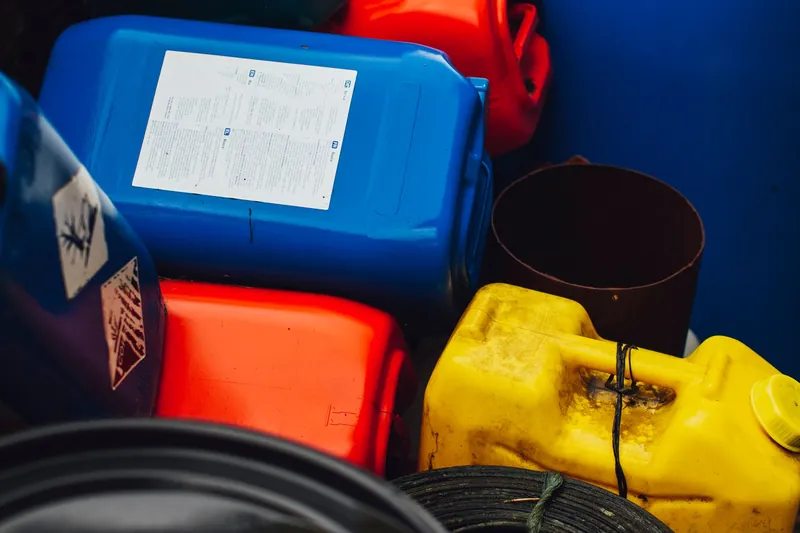
Chemical and Toxic Waste Cleanup
Toxic and chemical waste cleanup includes safe disposal.
See chemical and toxic waste cleanupGet hazardous materials, chemical residue and contaminated items assessed and cleaned in Armstrong-Ellis. The hazard is identified first so containment, protective equipment, cleaning and waste disposal fit the material.
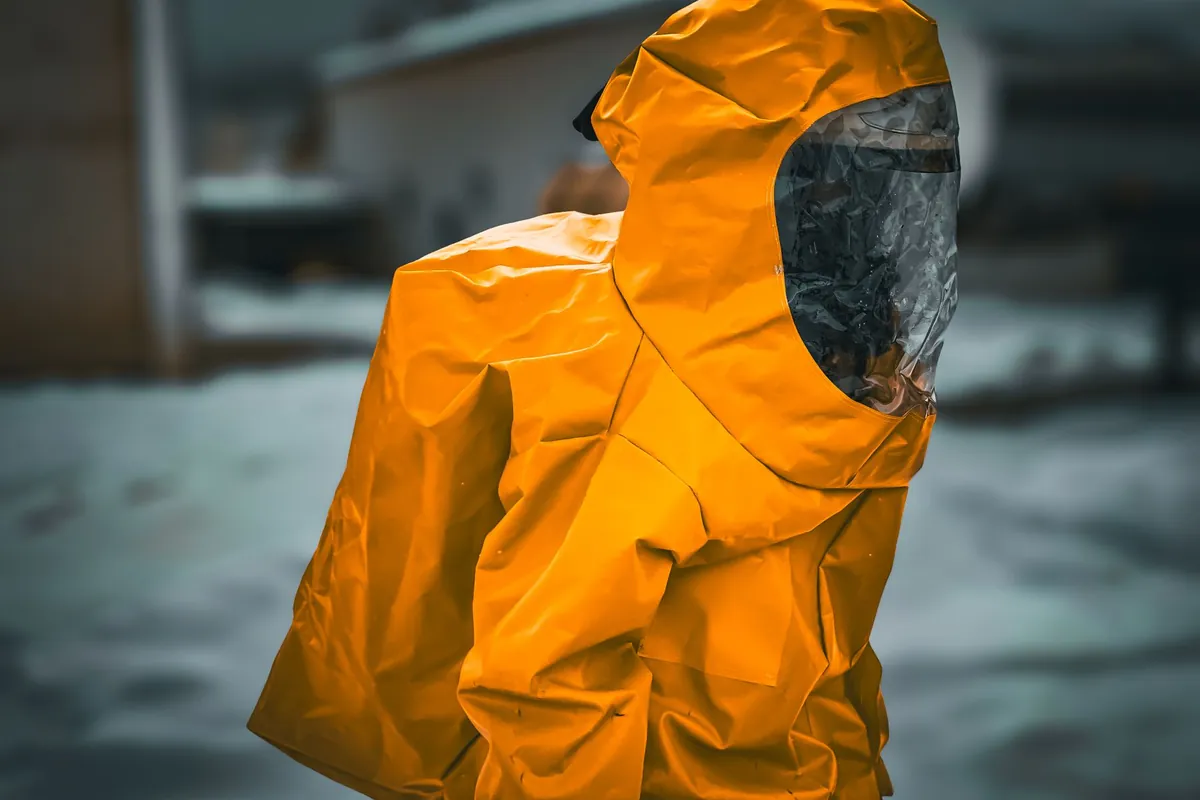
The careful, controlled treatment or removal of hazardous substances is hazmat cleanup. These substances may cause harm to people, the environment or property through fire, exposure by touch, breathing, a reaction or contamination.
Hazmat work can concern toxic waste, spilled chemicals, corrosive material, an unknown powder, residual fuel or biological contamination. Blood and bodily fluids are biological hazards that may contain bloodborne pathogens. With chemicals, the danger may be burns, poisoning, a reaction or harmful vapor. Those distinct dangers require substance-specific products and procedures instead of one standard approach.
Information comes first in the cleanup. Identification may rely on the container, its product label, a Safety Data Sheet, an incident report or testing. Next, access to both the affected space and nearby spaces is controlled. Technicians choose substance-appropriate gear, absorbents, tools and containers. Materials that can safely be cleaned remain, while those that cannot are taken out and sent through the proper waste disposal route.
Calls are answered at any hour, and crews use unmarked vehicles for privacy. Your conversation can stay private from people visiting or living nearby.
You can use pictures, the cleanup scope, waste documents and a list of removed items when insurance companies or property managers ask for details.
You can move forward after hearing what is known, what must still be identified and how the proposed scope treats the affected area.
Crews separate cleanable property from belongings that absorbed the contaminant. If safe handling is possible, crews discuss your valuable or meaningful property with you.
Hazmat cleaning services are needed when normal cleaning could expose you to a hazardous substance or spread it to another surface. Common situations include:
A managed building, shop, workplace or warehouse may need the area contained and cleaned under controlled conditions, with records kept for the owner or insurance company.
If your workshop, storage area, garage or basement contains chemical spills, unknown substances or mixed containers, do not treat them as routine house cleaning.
Cleanup involving sharps, blood, bodily fluids or another biological substance requires bloodborne pathogen precautions and differs from a chemical residue plan.
A leaking container, broken bottle or process accident leaves liquid, powder or residue on floors, equipment or nearby contents.
Avoiding contact and preventing the substance from traveling are your first priorities. Before cleanup professionals begin:
Call (888) 351-0904For spaces in the small to mid-size category, hazmat cleanup may cost $4,000 to $40,000 for each job, according to the Hazmat Cleaning Cost guide published by One and Done Prep. That source places initial containment and cleaning between $6 and $20 for each square foot. Costs differ widely based on the substance, area size, required containment, disposal of waste, permits and inspections. The final price cannot be determined before an assessment.
The figures shown are national ranges from published cost guides and are not based on an on-site visit. An on-site assessment determines your property's price, which is explained to you before the cleanup starts.
Ask about cost: (888) 351-0904Hazmat cleaning may be covered by insurance when the underlying cause qualifies under your policy. Contamination exclusions, coverage limits and the deductible can influence what gets paid.
Business and property owners should retain incident notes, an inventory, records from the cleanup service and photographs of the affected area captured safely.
If there is enough time, find out what documentation your adjuster wants prior to beginning the work. Keep a cleanup plan, pictures, disposal records and a list of removed materials to support the claim explanation.
The cause, insurance coverage, lease provisions and local requirements can decide who must arrange cleanup and cover its cost. Wait for examination of the records and facts before accepting liability.
Tell the insurance company what caused the contamination and where it occurred. Check if your policy applies to cleanup, waste disposal, repairs and affected building materials.
Professional hazmat work proceeds in a controlled sequence, although the material determines the precise cleaning method. Each stage is intended to contain contamination within affected spaces while keeping clean areas protected.
Crews examine known details of the event and consult available labels and Safety Data Sheets. Crews trace possible movement beyond the affected area and map exposed surfaces before cleanup.
The cleanup space is isolated from people and unaffected parts of the property. When contamination could leave its starting point, crews manage openings and pathways that might carry it.
The known material and the task determine suitable respiratory protection, eyewear, clothing and gloves, since protective equipment is not one-size-fits-all.
When conditions permit safe action, the release is stopped at its source. Materials that suit the hazard, including absorbents and containers, are used to limit additional spread.
Crews match the decontamination method to the substance on cleanable equipment and hard surfaces. An EPA-registered disinfectant treats biological residue and remains for the label's full contact period.
Items are isolated, listed and packed for removal if damage or porosity prevents safe cleaning. When conditions permit, you can discuss personal property before anything is discarded.
Waste is placed in compatible, closed containers and directed to the waste path required for the identified material. Records can support insurance and property files.
Crews inspect the treated area according to the planned scope. The final information identifies removed items, cleaned areas and any repairs or restoration services still needed.
Call any hour. A specialist in hazmat cleanup takes your call, explains each step and agrees on a start time with you.
Serious health harm can result when a hazardous substance is breathed, swallowed, touches skin or enters through a puncture. An incorrect cleaning agent can cause a reaction or carry the danger farther.
A liquid, dust or vapor may affect skin, eyes or breathing. The correct protective equipment depends on the identified substance, its concentration and how exposure can occur.
Dust or fumes may reach surrounding areas, and absorbent belongings can retain odors and contamination. Items should be evaluated before they are cleaned, removed or returned.
Used absorbent, damaged contents, disposable protective gear and cleanup water may need a controlled waste path based on what contaminated them.
Can you clean it yourself? Limited spill size does not mean there is no danger. Only when a known spill is controlled and clearly addressed should you rely on its Safety Data Sheet and product label. Keep away from unidentified material or any substance that is highly toxic, spreading or reactive, and seek emergency response for an immediate threat.
What can be kept is decided by the substance involved and the affected surface. A compatible surface that is sealed may allow cleaning, while residue absorbed into porous material can make removal necessary.
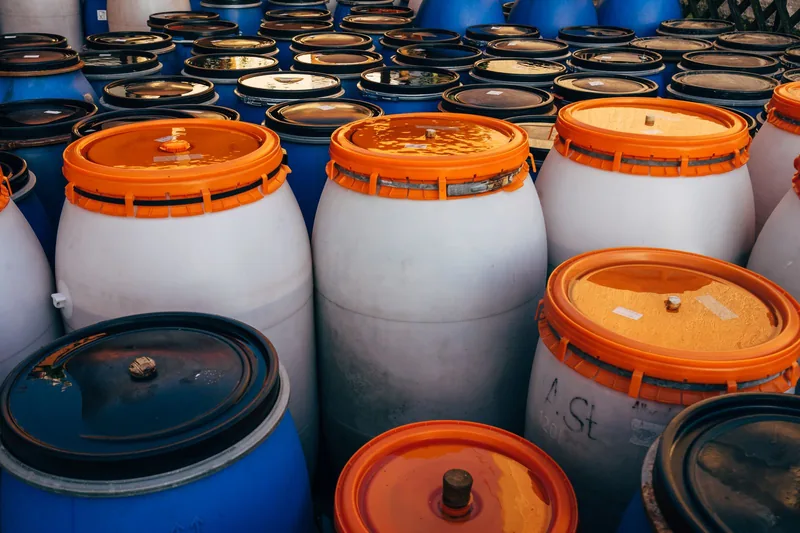
A safe, fixed hazmat cleaning timeline cannot be given before the substance, disposal requirements and extent of the affected space are understood. The schedule may also depend on controlling an active danger and completing any necessary inspections, permits or testing.
| Scene | Typical time on site |
|---|---|
| One controlled area with a known contaminant | Timing is set after the site assessment |
| An unknown contaminant or several affected areas | Assessment of the hazard and affected space precedes cleanup |
| Required inspections, special waste disposal or building material removal | The work is complete only after each required step |
Odor can warn you that something is wrong, but smell cannot identify a substance or prove that an area is safe. Do not lean close to find the source. Odor removal starts with identifying and removing or treating the material that caused it.
Once the source is gone, the assessment covers porous items, surfaces and routes where air may have moved. Air-cleaning equipment or ventilation must be appropriate for the identified material, since airflow can carry certain vapors or dust. Adding fragrance does no more than mask the odor. Decisions about final air quality depend on the substance, work scope and any testing the situation requires.
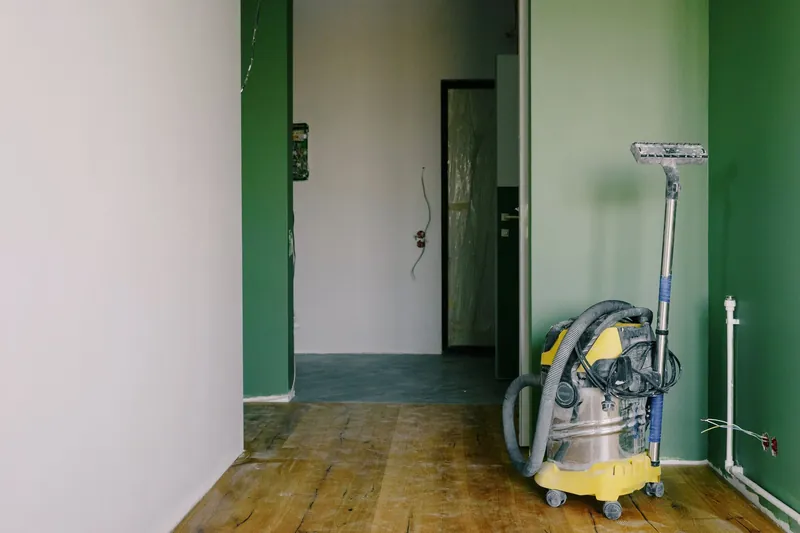
The full hazmat cleanup guide covers what is cleaned or removed, odor and air quality work, and the rules that apply in your state.
Read the full hazmat cleanup guidePlanning for access, containment and cleanup can depend on local population, housing and entry conditions.
Carle Health Methodist Hospital is about 0.4 miles from Armstrong-Ellis, which is useful to know when an exposure or injury needs medical attention.
Armstrong-Ellis is near Orchard District, Columbia Terrace North, and High Wine District, so say which town or neighborhood the property is in when you share its address.
As a Peoria neighborhood, this community may include several building styles, so cleanup planning should start with the exact property type.
You can ask about cleanup in nearby communities and ZIP codes during the call.
Toxic and chemical waste cleanup includes safe disposal.
See chemical and toxic waste cleanup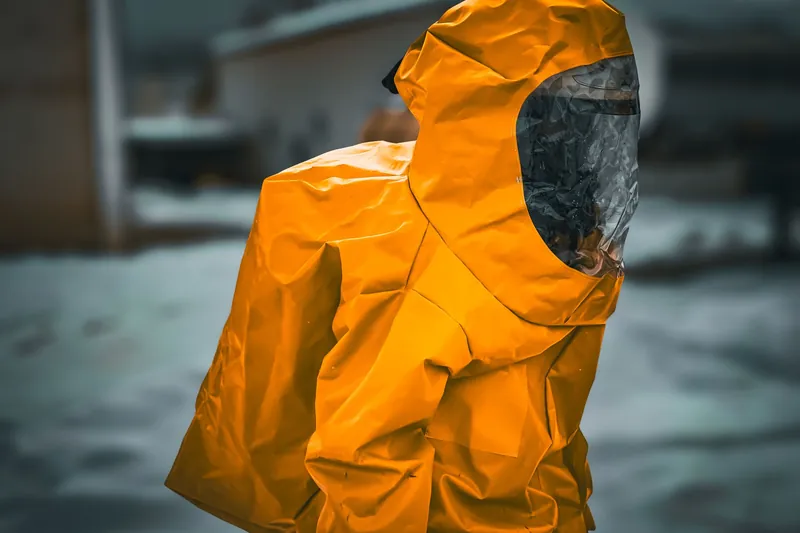
Removal and disinfection of blood, body fluids and other infectious material from any property.
See biohazard cleanup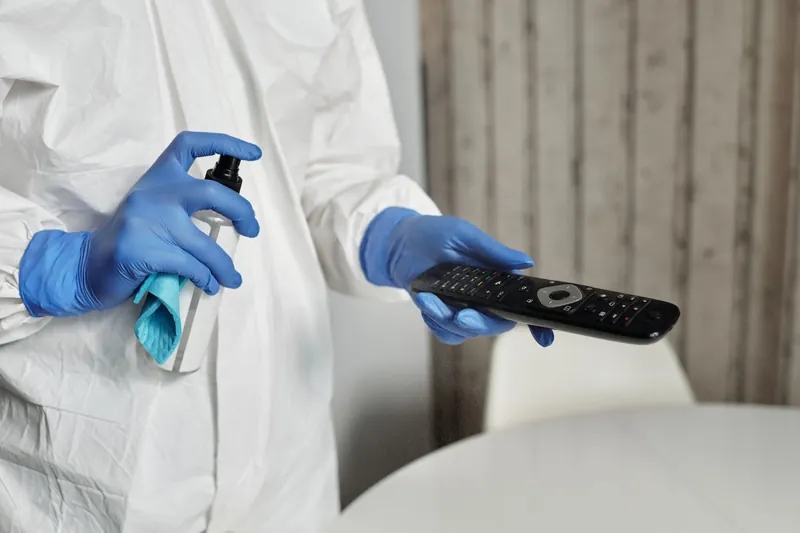
A contaminated space is restored to safe use through biological remediation and contaminant removal.
See biohazard remediation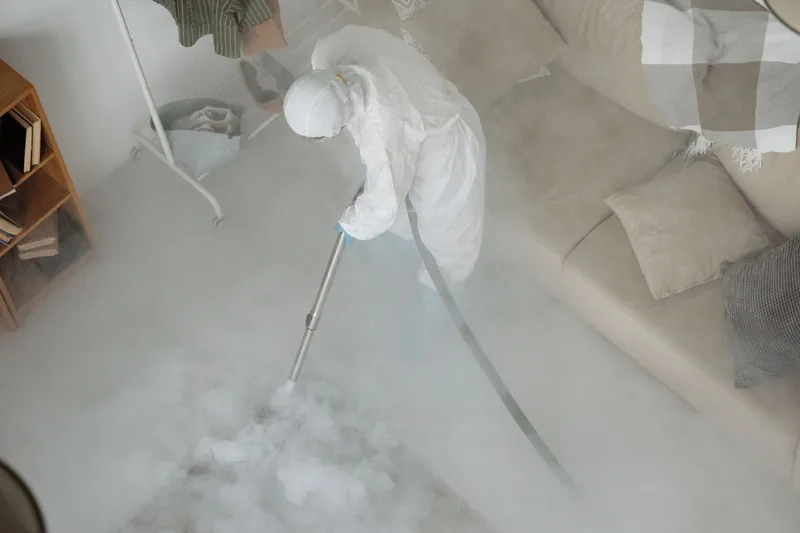
After exposure to infectious or hazardous material, the air, room and surfaces are fully decontaminated.
See biohazard decontamination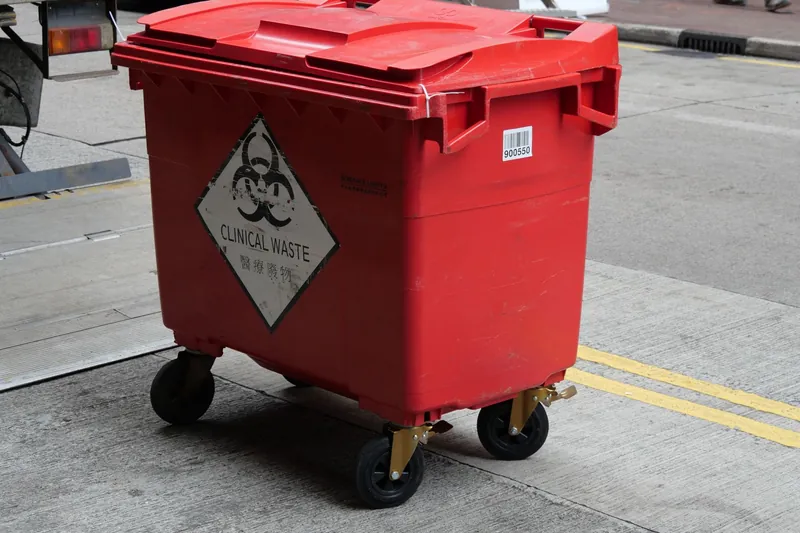
Medical waste removal includes disposal through facilities approved for treatment.
See medical waste removal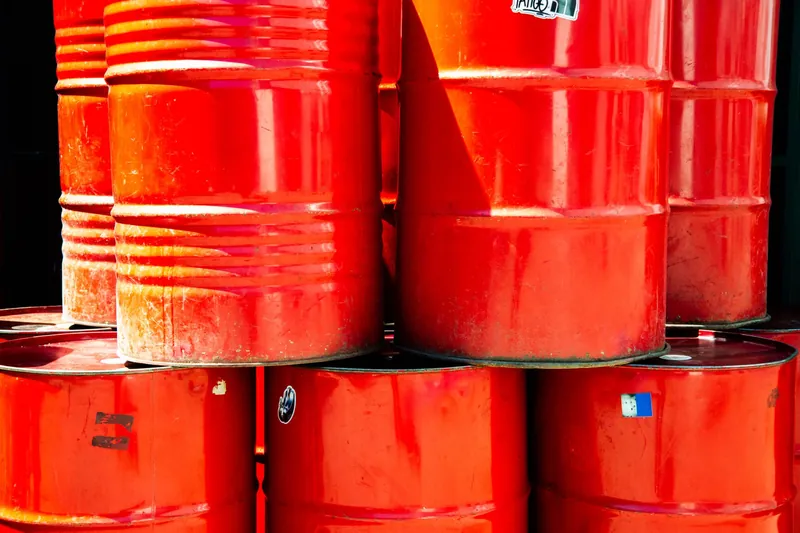
Pickup and disposal of biohazard waste use containers that are sealed and labeled.
See biohazard waste disposal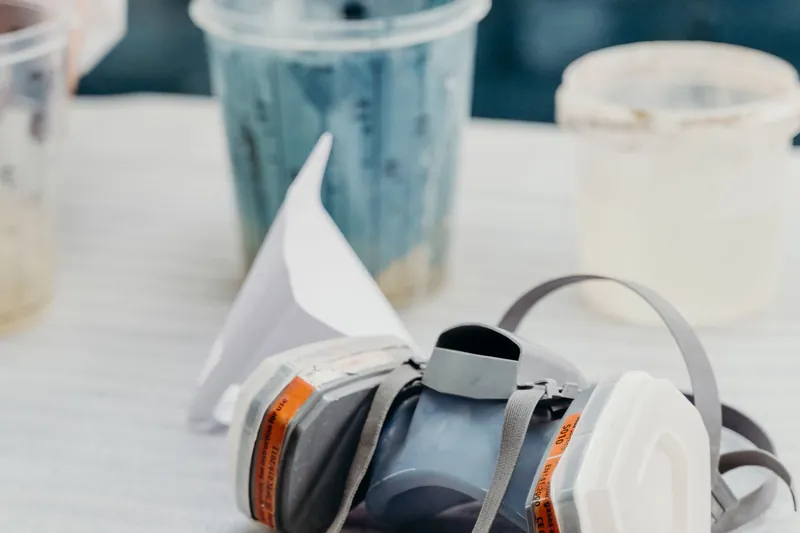
Meth lab cleanup includes testing for residue, decontaminating the space and completing clearance steps.
See meth lab cleanup
Rooms, vehicles and exposed surfaces receive decontamination following fentanyl exposure.
See fentanyl decontaminationYour policy may apply based on why the material was released and the specific coverage terms, exclusions, limits and deductible. After urgent safety calls, contact the insurance company and describe the cause without disturbing the material. Request coverage details for testing, later restoration, personal property, contamination cleanup, damaged building materials and hazardous waste disposal.
The affected area stays isolated while cleanup technicians select protective gear for the exposure risk. Blood and bodily fluids are removed before surfaces receive an EPA-registered disinfectant for the full label contact time. Crews package contaminated materials that cannot be decontaminated, then direct them to the waste process required by area rules.
One and Done Prep states in its Hazmat Cleaning Cost guide that small to mid-size spaces run $4,000 to $40,000 per job, while containment and initial cleaning run $6 to $20 per square foot. Your total is shaped by the substance involved, size of the space, containment, protective equipment, disposal, accessibility and any inspection or permit requirements.
Cleanup does not end when disinfectant is applied. After removal, cleaning and full disinfectant contact time, the area should be checked against the work scope. The correct waste process includes closing the containers securely and removing them for proper disposal. The cleanup file should list what crews treated and took away, along with outstanding repair needs.
No. Residue can remain after a smell weakens, and dangerous vapor may be present even when you notice little or no odor. Cleanup decisions should be based on the identified material, affected surfaces, work scope and any testing required for that situation. Added scent can make an odor less noticeable, but the underlying material remains.
No safe timeline can be set before crews identify the contaminant and establish the cleanup scope. A controlled area with an identified material has fewer unknowns than a release involving several rooms, hidden travel or special disposal. Each stage influences readiness, including hazard identification, containment, decontamination, material removal, waste processing, repairs and any inspection that applies.
Crews carry out respectful, discreet hazmat cleanup, arrive in unmarked vehicles and take calls 24 hours a day.