Raw Sewage Cleanup
Disinfection and drying follow sewage cleanup of Category 3 black water from raw sewage.
See raw sewage cleanupGet sewage, wet insulation, contaminated debris, moisture and odor removed from the crawl space beneath your home in Metro West. The source should be stopped before cleanup begins.
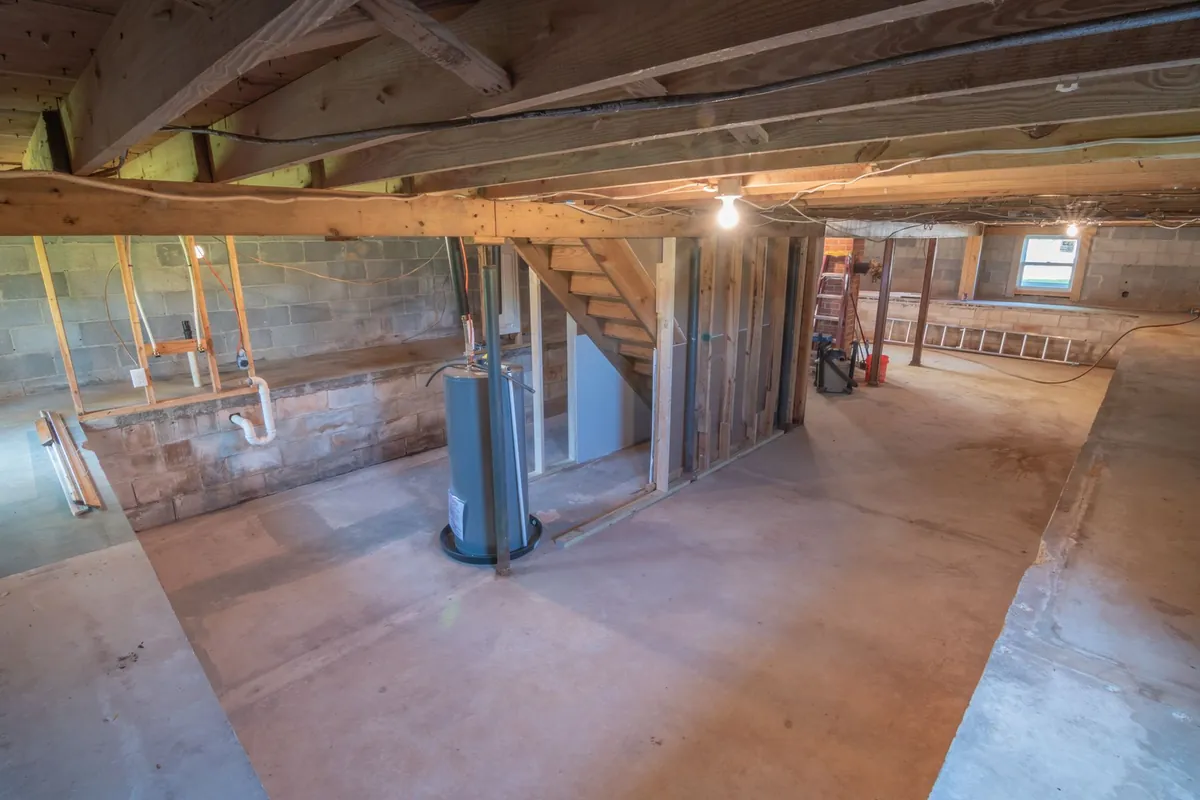
Removing Category 3 black water, sewage solids and contaminated items from beneath a house is crawl space sewage cleanup. Cleaning, disinfection, moisture management and odor treatment follow.
Before work can begin, wastewater must no longer be flowing. Broken drains, leaking sewer lines and failed ejector pumps may require plumbing repair. Your utility may inspect when the source could be the public sewer. The cleanup team identifies how far the contamination extends, looks at utilities and supports close by, and chooses a safe crawl space access plan.
Sewage in a crawl space can contaminate exposed soil, vapor barriers, fiberglass insulation, framing wood, piping and duct exteriors. Crews extract pooled liquid and discard anything that cannot be completely cleaned. They wash the hard surfaces that remain and apply an EPA-registered disinfectant for its full labeled contact time. The space is then dried, and air quality is addressed before repairs begin.
Day and night call answering is available. Crews use unmarked vehicles so activity at your home stays discreet.
Controls along the access route and work area keep tools, hoses and bagged materials from carrying sewage through your home.
At every step, you learn what requires extraction, washing, removal or drying and which conditions influence the cost.
You can use photographs, moisture documentation, work details and disposal records when speaking with insurance companies or property owners.
Professional cleanup is appropriate when sewage has entered the crawl space or soaked materials below your living area. Common situations include:
Contaminated liquid soaks into fiberglass batts and similar porous insulation, which generally cannot be cleaned where installed.
Gaps, ductwork and plumbing openings can carry sewage smells indoors when a source is still present below. Standard cleaning services cannot resolve sewage concealed beneath your house.
A blocked main line or overloaded system pushes Category 3 water into the lowest area beneath the home. Professional cleanup services may be needed after the source is stopped.
A pump, tank or connecting pipe fails and leaves waste in an enclosed, hard-to-reach space.
Protect people first, then stop more wastewater from entering. Before cleanup technicians arrive:
Call (888) 351-0904Crawl space sewage cleanup has no published price of its own. For comparison, sewage backup work is listed at $2,000 to $10,000 for a whole job by Bob Vila, and Category 3 sewage at $2,500 to $10,000 as a full project by BioCleaners Directory. Neither is a quote for your crawl space. How low the space is, how much insulation got wet and how far the soil is affected change the total.
Published national cost guides are the source for these ranges, rather than an inspection of your property. After an on-site assessment, the price for your property is determined and shared with you before cleanup begins.
Ask about cost: (888) 351-0904Your policy wording and the loss cause determine coverage. An endorsement for sewer or drain backup may apply. Exclusions may cover flood events, groundwater or problems tied to maintenance.
Building and renter's policies protect separate categories of property. Who is responsible may vary with local rules, the lease terms and what caused the loss.
For your insurance company, retain photos, the plumber's report, cleanup details, records of removed materials and all receipts.
An excluded incident could leave the owner responsible for the cost. Request details about the work scope, pricing factors and payment conditions. Also ask if separate restoration services are needed once drying is complete.
Confirm whether drain backup coverage is part of your policy and whether the terms include damaged material, cleanup and your deductible amount.
To limit the movement of waste into clean spaces, technicians follow an ordered cleanup process. Although each situation is different, these remediation steps are typical:
Safe access locations allow technicians to find affected areas, record utility hazards and photograph the space prior to starting work. Every situation requires a work scope reflecting the sewage path and extent.
The cleanup involves suitable protective gear, a shielded entry path and separation of the Category 3 work area.
Equipment made for hazardous materials and polluted water is used to extract pooled liquid and remove solid waste.
Wet insulation, damaged vapor barrier, cardboard and other porous items that cannot be cleaned are bagged for proper waste disposal.
After addressing impacted soil and debris, technicians wash remaining residue from cleanable materials such as pipes and framing.
Workers treat cleanable materials with an EPA-registered disinfectant, allowing the label-specified contact time while the surface remains wet.
Moisture decreases through dehumidification and controlled air movement. Treatment for odor starts after all sewage and contaminated materials are removed.
After checking for residual material, visible wetness and odor, cleanup documents let you move forward during repair planning or insurance discussions.
Call at any time. You speak with a crawl space sewage cleanup specialist who outlines the process and schedules a start time with you.
Raw sewage, a form of Category 3 black water, may put you in contact with harmful microorganisms and other contaminants. That risk exists if sewage is tracked from the crawl space into living areas.
Mold may begin to develop on damp material within 24 to 48 hours, according to the EPA. Taking out the sewage is not a substitute for controlling moisture and drying.
Wet insulation, cardboard, damaged vapor barriers and loose debris can hold sewage, including waste mixed with bodily fluids. If they stay in place, smells and contamination may continue.
Wastewater may carry viruses, bacteria and parasites. Serious health risks come from these contaminants, while entering a poorly lit tight area exposes you to slipping, splashing and sharp debris.
Can you clean it yourself? Do not enter a cramped crawl space to clean raw sewage yourself. The combination of Category 3 water, limited access, hidden utilities and contaminated porous materials calls for professional cleanup and the right protective equipment. A plumber repairs the source, while cleanup technicians address what was left behind.
Some sound materials can stay if they are cleanable and the soil and residue have been removed. Porous items that took in sewage generally need removal.
A small, accessible spill may take one to two days of cleanup and drying. A larger sewage backup with wet insulation, soil work or difficult access can take several days, and plumbing or structural repairs add separate time.
| Scene | Typical time on site |
|---|---|
| Small reachable space with little material removal | Often one to two days |
| Wider area with insulation and vapor barrier removal | Often two to four days |
| Heavy contamination, soil work or extended drying | Multiple days based on moisture measurements |
Sewage and residue must be removed along with porous materials that soaked them up before odor can be addressed. Waste hidden in soil, damp insulation, debris or damaged duct liner cannot be corrected with fragrance or a surface spray. Source removal has to come first, followed by deodorizing.
Controlled air movement paired with dehumidification dries the area following cleaning. HEPA air scrubbers can assist with airborne particle control while the work is underway. Technicians inspect ducts, openings and rooms nearby to make sure odor is not migrating into occupied space. Odor that remains calls for renewed checks for moisture and its source, rather than more perfume.
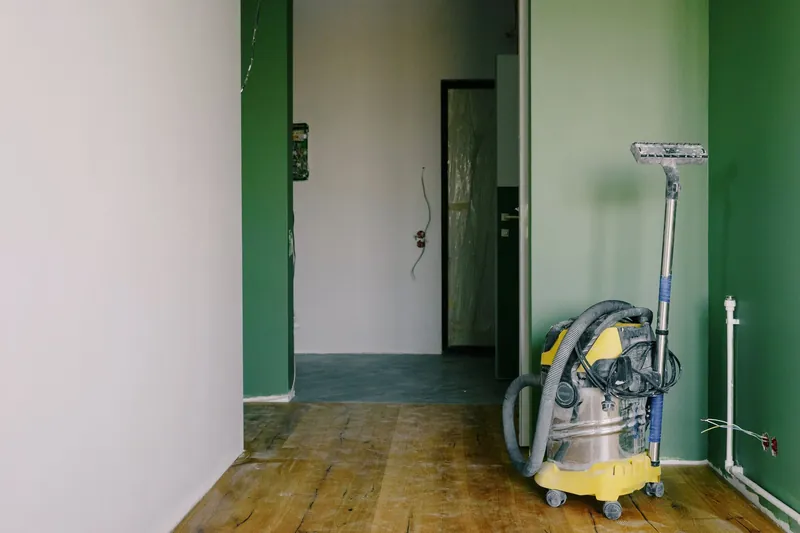
The full crawl space sewage cleanup guide covers what is cleaned or removed, odor and air quality work, and the rules that apply in your state.
Read the full crawl space sewage cleanup guidePlanning for access, containment and cleanup can depend on local population, housing and entry conditions.
For an injury during discovery, Saint Francis Medical Center is the nearest listed hospital at approximately 3.2 miles away.
Families often arrive from The Knolls, North Florence, and Sunset Hills. Agree on one meeting point and one entrance so the scene stays private.
Neighborhood level directions help narrow the location, but crews still need entrance details before bringing containment and cleaning equipment inside.
Your phone conversation can include questions about service in nearby ZIP codes and communities.
Disinfection and drying follow sewage cleanup of Category 3 black water from raw sewage.
See raw sewage cleanup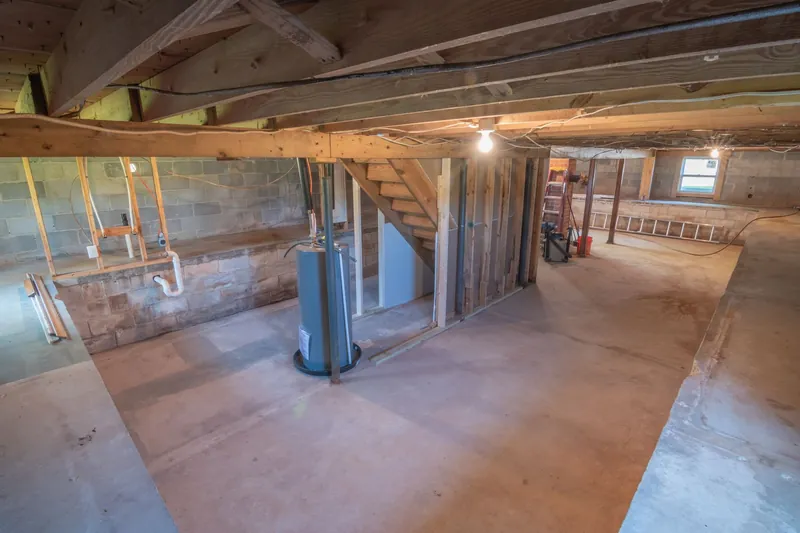
Basements, lower levels and floor drains receive cleanup after a sewer backup.
See sewer backup cleanup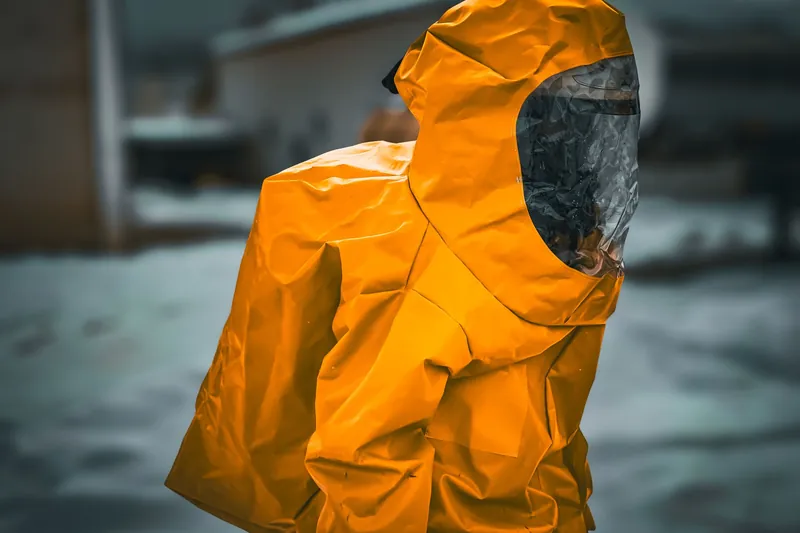
Cleanup removes infectious material, including blood and body fluids, and disinfects the property.
See biohazard cleanup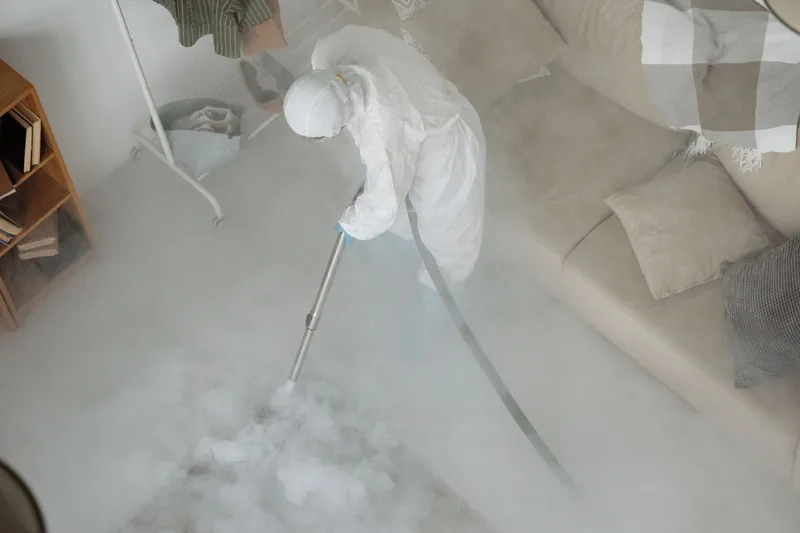
Complete decontamination treats the room, its surfaces and the air after a hazardous or infectious exposure.
See biohazard decontamination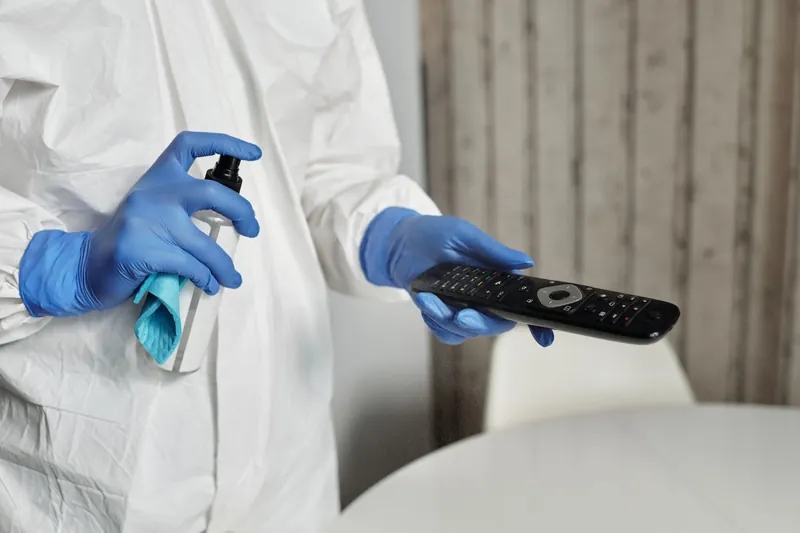
Biological remediation removes contamination so the space can be safely used again.
See biohazard remediation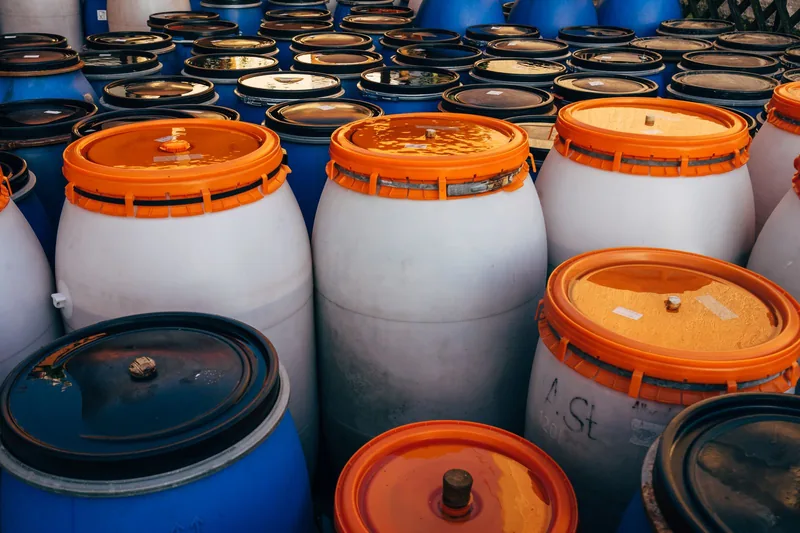
Hazmat cleanup uses the appropriate protective equipment for hazardous materials.
See hazmat cleanup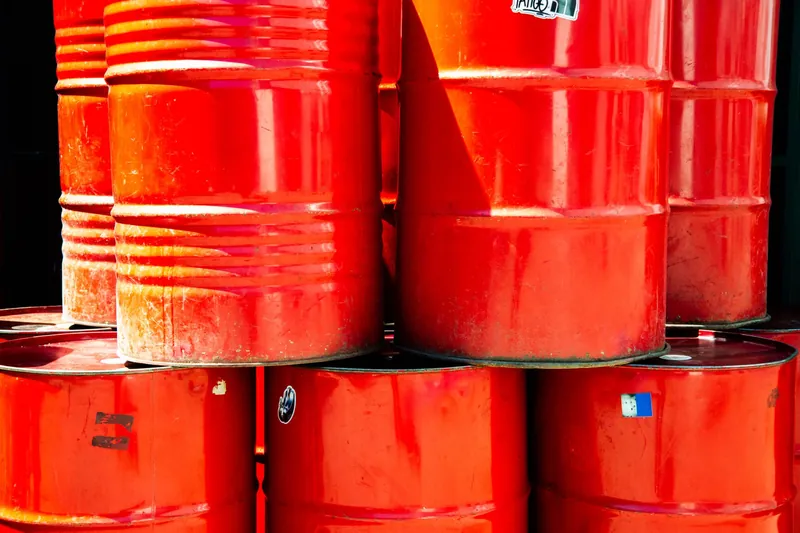
Biohazard waste pickup and disposal in sealed, labeled containers.
See biohazard waste disposal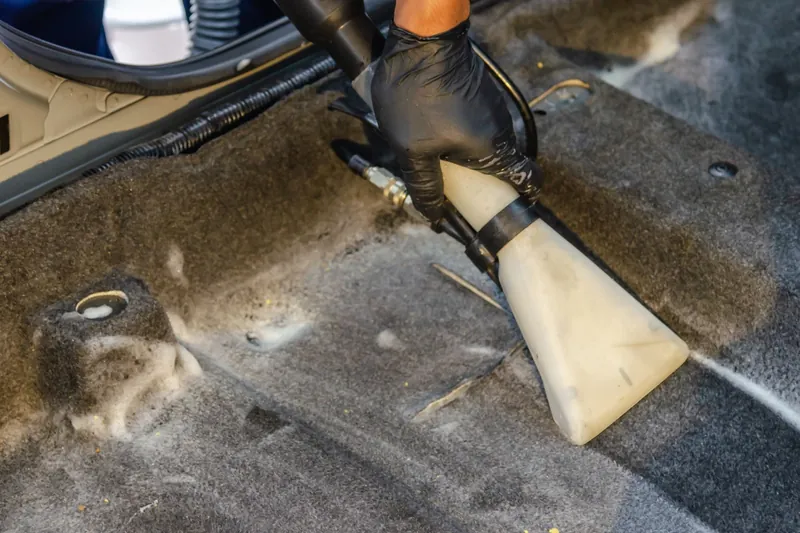
Biohazards are cleaned from carpets and upholstery, or affected materials are removed safely when needed.
See biohazard carpet and upholstery cleaningPlumbers generally correct the cause by fixing or clearing a pump, fixture, sewer pipe or drain. Sewage cleanup is a different cleaning process from plumbing work. It involves taking out liquid and polluted materials, cleaning surfaces, applying disinfectant, drying, odor removal and waste disposal. Ask each company exactly which part of the work it will perform.
No published guide gives a range specifically for crawl spaces. Guides for related sewage cleanup work list a range of $2,000 to $10,000. Your total is shaped by disposal and drying requirements, soil contamination, soaked insulation, impacted square footage and access conditions. An on-site assessment is needed because the related figures are only comparison ranges.
Lingering smells may indicate damp conditions below the home or contamination still present in soil, insulation, debris or duct material. Odor treatment works only after the source is gone. The space should be inspected again for concealed contamination, damp materials, air gaps and routes that bring crawl space air indoors.
Ask if the cleaning service can work with limited clearance, remove wet insulation and treat affected soil. Verify that the plan covers extraction and physical cleaning, followed by an EPA-registered disinfectant, drying and waste records. When calling, share the available access, affected area, status of the source repair and any indoor sewage odor.
For a compact, reachable affected area, the work might take one to two days. Wider contamination, low access, soaked insulation, soil removal and longer drying may require several days. Plumbing, electrical or structural repairs are separate. Rather than relying on a fixed timeframe, use final checks and moisture readings to judge completion.
Insulation that absorbed sewage generally needs removal because porous material cannot be reliably cleaned throughout. Polluted cardboard, cloth and torn duct lining have the same porous-material issue. Intact masonry, framing and outer pipe surfaces can remain if crews remove the residue, disinfect them correctly and dry them completely.
Crews carry out respectful, discreet crawl space sewage cleanup, arrive in unmarked vehicles and take calls 24 hours a day.