Fentanyl Decontamination
Fentanyl decontamination of surfaces, vehicles and rooms after exposure.
See fentanyl decontaminationGet meth residue testing, decontamination, material removal and clearance steps for a home, rental, business or vehicle in Minonk. Keep people out of affected areas until the property has been assessed.
Meth lab cleanup tests for contamination and removes or cleans it after methamphetamine residue or chemicals from drug production affect a residence, rental property, workplace or vehicle.
A clean appearance does not rule out contamination. Smoke produced by meth use can leave residue on floors, personal property, cabinets, walls, appliances and ceilings. Acids, fuels, unknown chemical mixtures, salts and solvents can be found at a production location. A careful assessment of these hazards must happen before ordinary cleaning starts or anyone shifts a container.
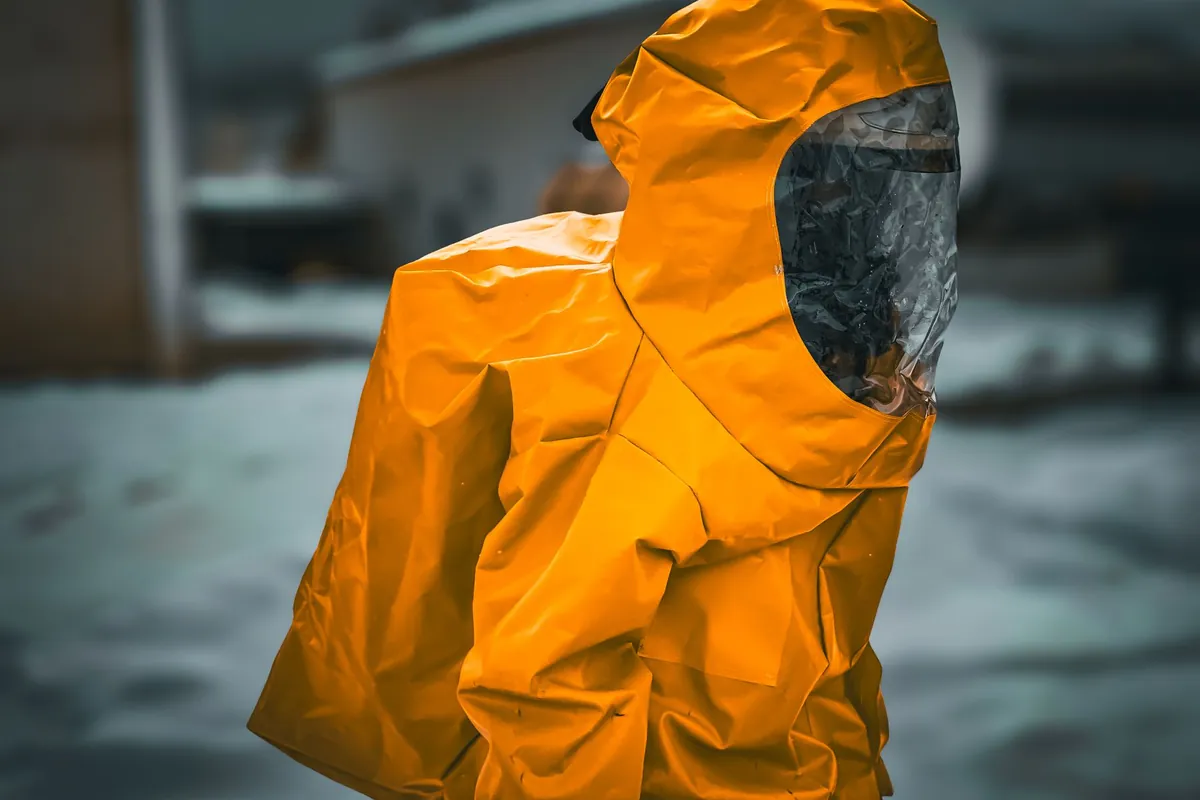
The biohazard remediation process should follow the testing results and the rules for the property location. Cleanup technicians isolate the affected area, use protective equipment, remove materials that cannot be cleaned, wash remaining surfaces and address the air system when needed. Post-remediation samples then show whether the tested areas meet the applicable clearance level.
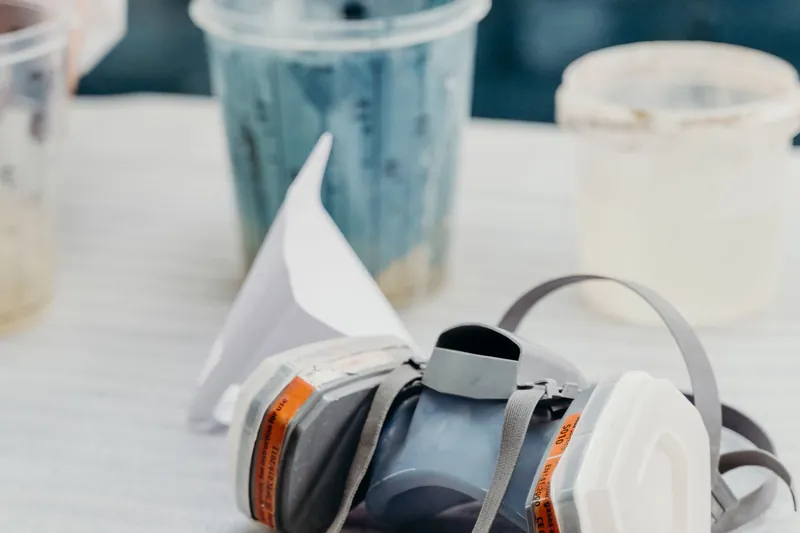
An item-by-item assessment of materials and physical condition identifies belongings that might be cleaned and those that may need discarding.
A written plan issued before remediation starts should list removal decisions, the testing basis, clearance steps, affected areas and cleaning methods.
Containment zones paired with clean routes reduce the spread of dust, equipment and contaminated materials into other parts of your building.
Your cleaning service should organize photographs, work notes, waste paperwork and sampling reports into a clear file so you can move forward after clearance.
Testing or a trustworthy property history may indicate contamination caused by meth production or use. In that case, the property needs meth decontamination cleaning services. Its history and test findings guide each situation. Examples include:
Law enforcement has cleared a former production site, but residue, chemicals or discolored materials could remain throughout multiple rooms.
Repeated smoking has left invisible residue on walls, ceilings, cabinets, floors and household contents.
After the tenant leaves, possible drug activity comes to a landlord's or property manager's attention, so testing is needed before repairs or reletting.
Inside cars, trucks and recreational vehicles, residue can remain on carpet, seats, vents and trim.
Before professional cleanup, focus on keeping people from exposure and residue from moving beyond the affected space. Take these actions:
Call (888) 351-0904PushLeads lists light meth use contamination at $5,000 to $10,000 and moderate contamination at $10,000 to $25,000 per job. Large or heavily contaminated sites can reach $120,000 per job. Testing for a multi-room property is listed separately at $1,500 to $3,500 per job. These are published planning ranges, not a quote.
These national ranges are taken from published cost guides, rather than a property visit. You learn what your property will cost after the on-site assessment and before any work begins.
Ask about cost: (888) 351-0904Coverage for meth contamination depends on both the cause and insurance policy, which may exclude pollution, vacancy, criminal acts or contamination. Report what was found and ask about available insurance assistance. Before approving work that is not an emergency, request the coverage decision in written form.
Keep the police release, laboratory results, photographs, the remediation scope, disposal records, invoices and clearance report together.
After law enforcement preserves evidence and releases the site, the property owner typically needs to set up environmental assessment and remediation.
Tell the insurance company how the contamination was discovered. Ask whether coverage includes sampling, remediation, loss of use and removed building materials.
For a rental, property owners often set up assessment and cleanup. Cost recovery involving a tenant remains distinct from the work needed to make the building safe.
A measured sequence is used for the meth lab cleaning process. Each part must align with the property's assessment, its plan for testing and the local clearance rules that apply.
Cleanup technicians assess the property history, police release, visible hazards, room layout, ventilation and possible routes of contamination before work starts.
Tests taken from surfaces can define affected areas and create a starting measurement. Choose collection methods and test locations according to the protocol that applies locally.
The written scope identifies containment, materials to remove, surfaces to clean, the treatment of contents and the final clearance steps.
Barriers divide the cleanup zone from unaffected rooms. Cleanup technicians wear protective gear selected for the site's chemical dangers, contaminated dust and residue.
Items that cannot meet the necessary standard after cleaning, such as carpet, underlay, insulation, upholstered furnishings and harmed building materials, may be taken out for waste disposal.
Crews follow an orderly process and select suitable techniques for every remaining floor, cabinet, wall, fitting and ceiling surface.
Technicians inspect the air system apart from belongings that can be moved. Test results and condition determine whether belongings need cleaning, separation or disposal.
Final sampling follows completed cleaning and determines if the property needs more work before people return.
Call any hour. Your meth lab cleanup specialist answers the phone, describes what happens next and works with you on a start time.
Even if you notice no strong odor, contaminated dust, chemicals remaining after production and direct contact with skin can make a former meth property a serious health risk.
If carpet and wallboard are removed before tests, contaminated particles can reach your clothing, equipment and clean areas.
Residue may land on toys, worktops, flooring, walls and other high-touch belongings. A normal-looking surface may not meet the required level for clearance.
Unidentified containers and substances may be reactive, capable of catching fire or corrosive. Avoid opening or smelling them, and never combine or discard them in household waste.
Can you clean it yourself? Never approach possible meth residue like an ordinary minor spill at home. Home cleaning products cannot show how far residue traveled or whether the surface meets the local clearance level. A meth-focused cleanup plan and proper testing offer safer first steps.
A material can remain only if the remediation plan permits cleaning it and the completed space is able to pass its required clearance process.
Your applicable regulations and clearance level depend on the state and locality. Ask the health, environmental or building authority which standard applies before cleanup begins.
Sampling plans, laboratory methods and clearance reports may need to follow a local protocol. Retain documentation in case renters, purchasers, property owners or authorities ask for it.
Do not assume unidentified substances or affected debris belong in ordinary household garbage. Waste classification and disposal depend on what is found and local rules.
Sharps and other potentially infectious items discovered alongside drug materials require separate treatment. (Illinois treats soaked materials from a biohazard scene as potentially infectious medical waste (PIMW). Illinois EPA rules control how it is packed, transported and treated, so it cannot go in household trash.)
Several workdays may be needed when meth contamination is confined to one area. For an extensive production site, cleanup can continue for several weeks. The schedule is driven more by material removal, testing turnaround, clearance samples and repeat cleaning than by the number of rooms.
The full meth lab cleanup guide covers what is cleaned or removed, odor and air quality work, and the rules that apply in Illinois and Woodford County.
Read the full meth lab cleanup guideLocal housing, population and access details can shape containment, access and cleanup planning.
The 27.0% renter share suggests many residents can make direct decisions about removing contaminated flooring, walls, or personal items.
A median build year of 1962 means fluids can pass through carpet or seams and affect padding or subfloor below.
With 35.5% of seniors living alone, an unattended illness or death may go unnoticed, increasing the area affected by fluids and odor.
With 84.2% single-family housing, crews may need to inspect basements, crawl spaces, garages, and other areas unique to detached homes.
During your call, ask whether cleanup is available in surrounding communities and ZIP codes.
Fentanyl decontamination of surfaces, vehicles and rooms after exposure.
See fentanyl decontamination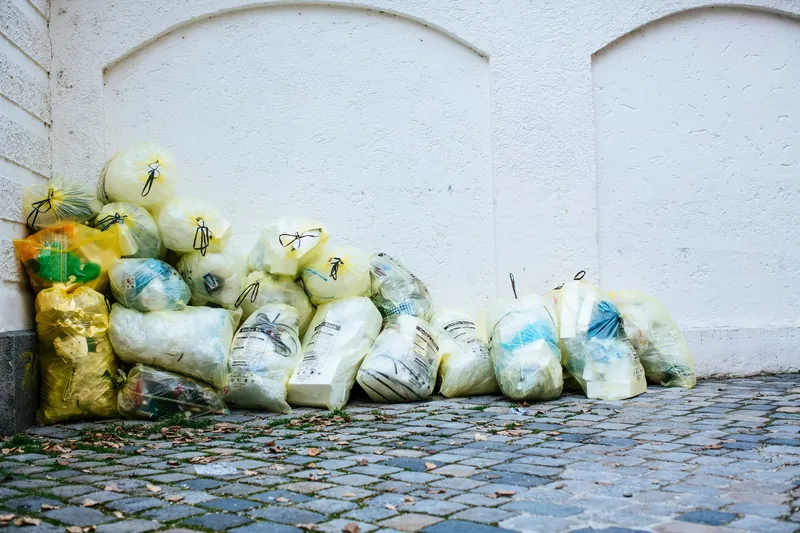
Removal of needles, pipes and drug residue from rentals and properties.
See drug paraphernalia cleanup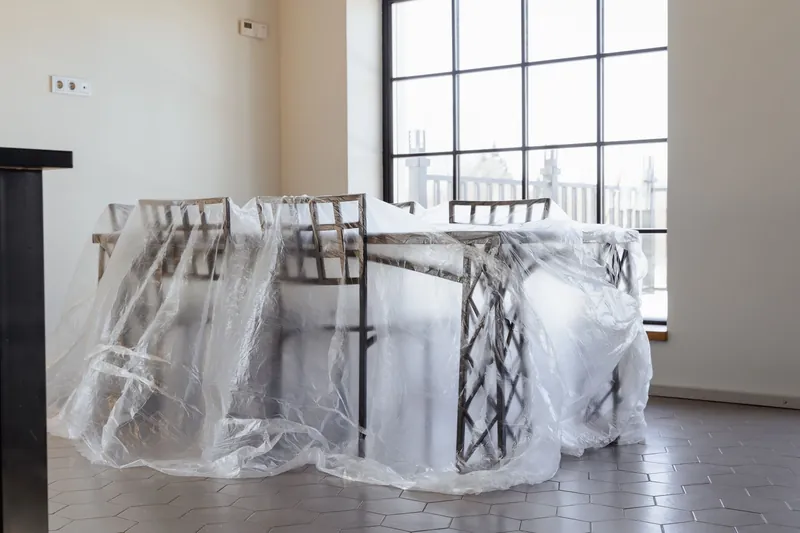
Grow house cleanup of mold, chemicals and damage left by indoor growing.
See marijuana grow house cleanup
Protective equipment suited to hazardous materials is used during hazmat cleanup.
See hazmat cleanup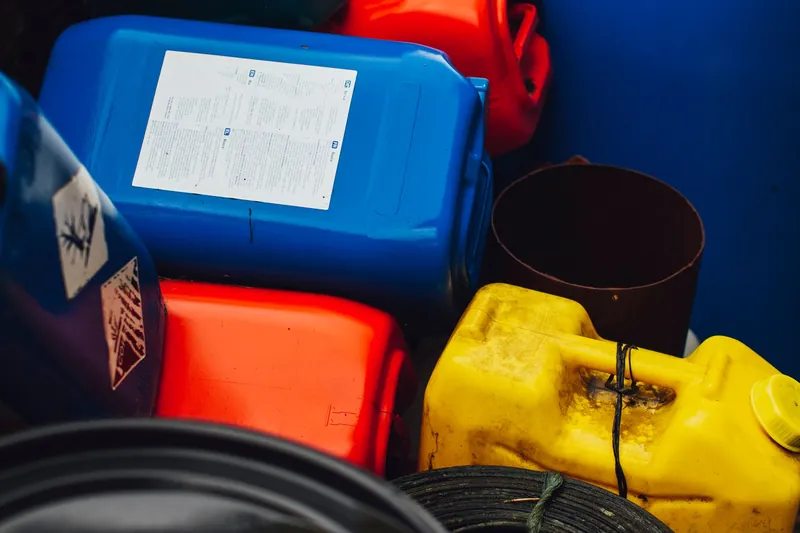
Safe disposal is included with chemical and toxic waste cleanup.
See chemical and toxic waste cleanup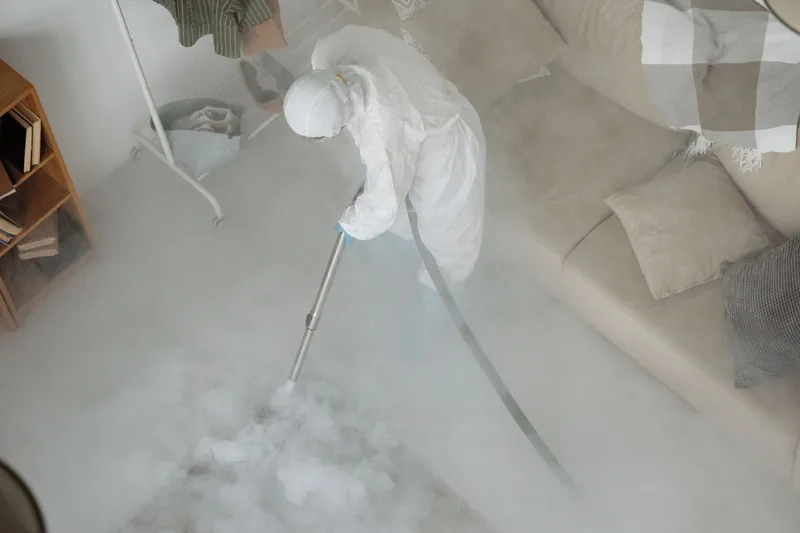
Full decontamination of rooms, surfaces and air after infectious or hazardous exposure.
See biohazard decontamination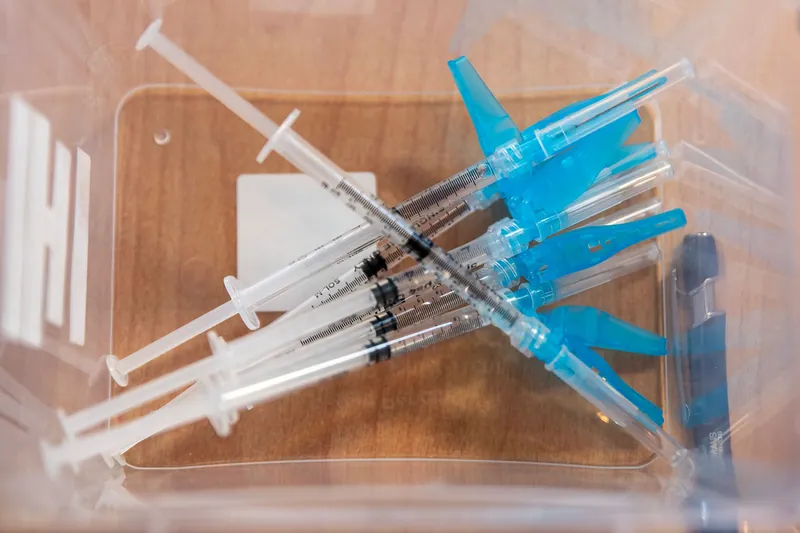
Yards, encampments, parks and rental properties receive needle and sharps cleanup.
See needle and sharps cleanup
Rental property biohazard cleanup covers hotels and Airbnb units as well as rentals.
See hotel, Airbnb and rental biohazard cleanupDrug-making chemicals can sometimes create a harsh smell like solvent, although scent by itself cannot establish residue or clearance. Contamination can remain indoors without producing an odor you notice. When powerful chemical smells are present, exit without contacting containers and rely on surface sampling with the relevant standard.
Material type, condition, value and residue level should guide an individual assessment of each belonging. Cleaning may be possible for certain solid, washable items. Cleaning can be challenging for porous contents, including carpet, books and upholstery. Your remediation scope should identify belongings for separation, cleaning, sampling or disposal.
You should not judge readiness from how the building looks and smells. People should return only according to applicable local requirements and documented guidance from the relevant public or environmental authority. You gain objective evidence about any need for further decontamination through post-remediation tests.
Cleaning on your own may spread contaminated dust and make the outcome difficult to document. Domestic cleaners cannot quantify contamination or verify that clearance was achieved. Use professional surface testing and your local remediation rules as the starting point. The next step is a remediation scope identifying cleanable surfaces and materials that should be removed.
Whether coverage applies varies with your policy, the cause and exclusions involving contamination, pollution, vacancy or illegal acts. Contact the insurance company with details of the discovery and ask about coverage for clearance sampling, temporary housing, removed materials, testing and remediation.
A limited cleanup may take several workdays, while a multi-room production site can take several weeks. Laboratory turnaround, removal of porous materials, cleaning cycles, HVAC work and post-remediation sampling affect the schedule. You may need another round of remediation when clearance testing stays above the required limit.
Crews carry out respectful, discreet meth lab cleanup, arrive in unmarked vehicles and take calls 24 hours a day.